
Freestyle Swimming Drills
If you want to swim faster, improve your freestyle technique, and feel more efficient in the water, adding freestyle swimming drills to your pool routine is one of the best places to start. The right swim drills can help you build a stronger flutter kick, improve your arm pull, refine your breathing rhythm, strengthen body rotation, and develop a smoother, more powerful freestyle stroke over time.
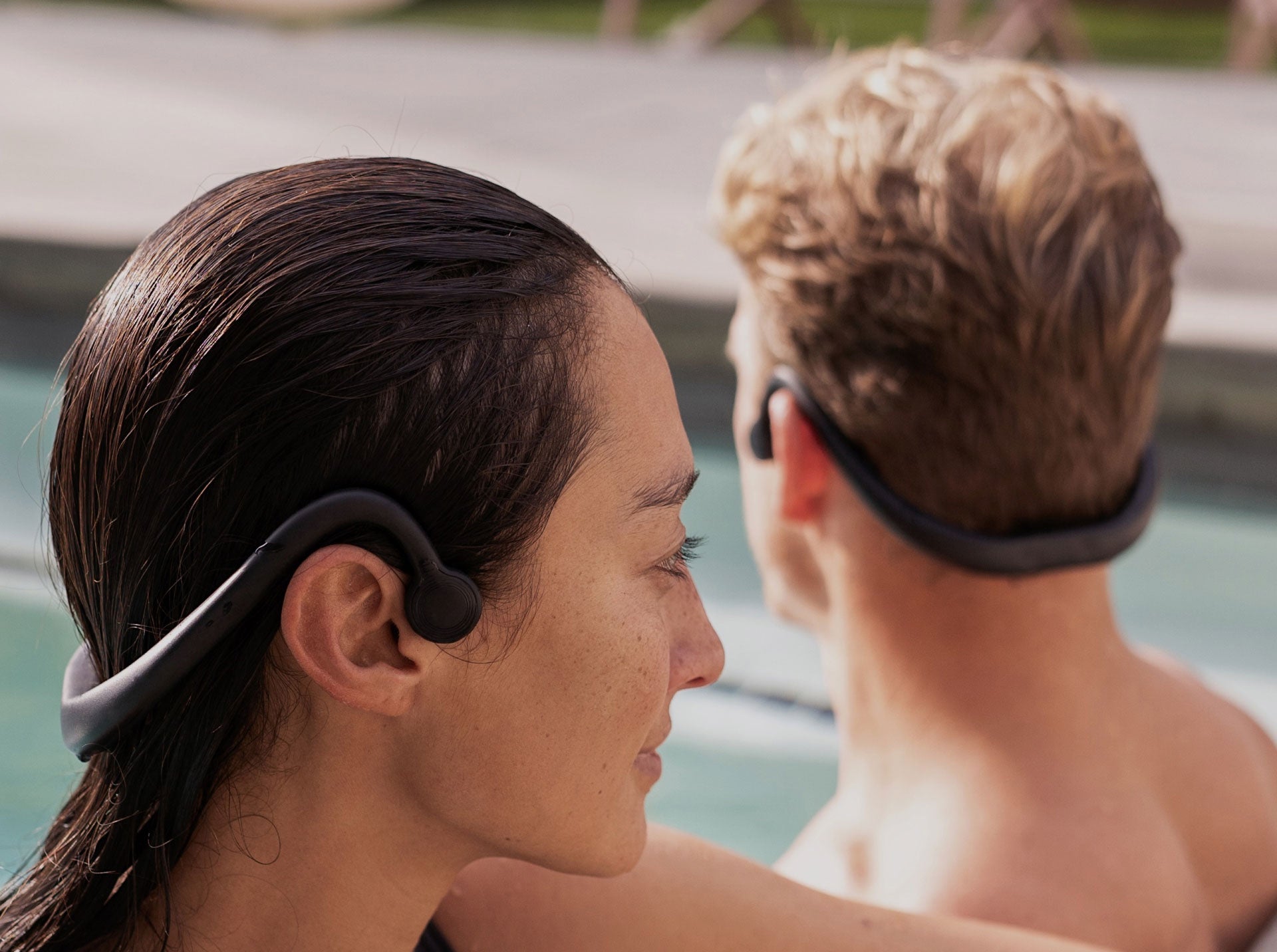
Whether you’re a beginner swimmer learning proper freestyle form or an experienced athlete working to improve speed, endurance, and stroke efficiency, focused freestyle drills can help you become more comfortable, controlled, and consistent in the pool. And when training starts to feel repetitive, tools like Zygo waterproof swimming headphones can help make each workout more engaging by letting you listen to music, podcasts, audiobooks, or guided swim workouts while you train.

Below, we’ll break down some of the best freestyle swimming drills for swimmers of all levels, including kick drills, arm technique drills, coordination drills, and full-stroke freestyle drills. We’ll also share tips for staying motivated during your swimming workouts and getting more from every lap.
What Are Freestyle Drills?
Freestyle swimming drills are targeted exercises that break down and refine specific aspects of your freestyle stroke. Drills might focus on improving your kick, strengthening your arm pull, enhancing your body rotation, or even perfecting your breathing rhythm.
The key benefit of drills is that they give you the opportunity to slow down, pay close attention to your form, and gain the proper muscle memory and movement patterns that will allow you to make small changes that will get big results.

What Is the Purpose of Swimming Drills?
Swimming drills help break your freestyle stroke into smaller, more manageable pieces. This makes it easier to identify areas that need improvement and correct technique issues before they become harder habits to fix.
Freestyle drills can help swimmers:
- Improve body position in the water
- Build a stronger and more efficient kick
- Refine arm recovery and pull technique
- Improve breathing rhythm
- Strengthen coordination between the arms, legs, and core
- Develop better endurance through more efficient movement
If you are trying to build a better swim routine, pairing drills with structured swimming workouts can help make your time in the pool more focused and productive.
Top Drills to Improve Your Freestyle Technique
What Are Some Kick-Focused Drills?
Kick-focused drills will help you maximize the efficiency of your kicks and build your leg strength at the same time. Here are a couple of drills that can help with that.
Flutter Kick on Your Back
To do this drill, you will want to start swimming freestyle on your back. Focus on a strong, steady flutter kick. How long/far you swim is up to you. Just remember that the focus should be on your kicks.
As you kick, you’ll know that you’re doing it right if you feel your efforts in the tops of your thighs, lower abs, lower back, and glutes. Remember: in a flutter kick, your hip should be the hinge, and the rest of your leg just finishes the kick. This tip is key to improving both form and stamina.
If you want to take this drill onto dry land, you can actually do that, too! Lay flat on your back on a mat or soft surface and put your feet about six inches off the ground. Then, use your leg and core strength to execute quick flutter kicks.
No doubt, you won’t be able to do this as long as you would be able to in the pool because it requires a lot of core strength. Do what you can, and building that core will help your swimming efforts as well as your abs!
Kicking With a Kickboard
Obtaining a kickboard is an absolute must if you’re serious about improving your kick. They are fairly inexpensive, making it a worthwhile and achievable purchase.
To do a kickboard drill that is great for beginners and experts alike, hold a kickboard out in front of you and swim freestyle, emphasizing a powerful and consistent kick. Again, it’s up to you to choose the distance and time you want to achieve.
When doing kicking drills, it’s worthwhile to consider how your kicks correspond with and complement your breath. Try to get into a steady rhythm that works for you.
What Are Some Drills To Help With Arm Technique and Strength?
Listen, we’ve all seen those Olympic swimmers’ shoulders. It should come as no surprise that if you want to become a great swimmer, you need some serious arm strength.
Here are a few drills to help you improve your technique:
Closed-Fist Freestyle
Swim freestyle with your hands clenched tightly in fists. This action forces you to engage your forearms as you swim, which will improve your catch.
This one will feel a little unnatural at first, as drills often do. Once you get the hang of it, you will see how great it works to improve your stroke!
Finger Drag Drill
This simple drill will get you some great results. The fingertip drag is one of the oldest swimming drills in the books, and it’s survived the test of time for good reason! It’s simple to explain and execute and will help you practice a high-elbow recovery.
All you have to do with this drill is to swim freestyle, and on the recovery of your stroke, drag your fingers right along the surface of the water. You want to imagine a scraping motion, making sure they never lose contact with the surface. That’s literally all there is to it!
What Are Some Drills I Can Do To Help With Coordination?
Anyone who has been swimming for any length of time knows how much coordination is required in this sport. From breathing techniques to head turns and the coordination of legs and arms, there’s a lot to think about!
Here are a few drills to help:
3- Strokes, 6- Kicks
For this drill, take three freestyle strokes, then balance on your side with six kicks. Repeat on alternating sides. Keep repeating for the distance of your choice. We recommend 25 or 50 meters before resting or alternating with easy swimming.
This drill works on rotation. Try to focus on originating the rotation from your hips and legs, not your arms and shoulders, which is what many people tend to do without thinking. Again, that’s the whole purpose of drills! We need to get out of our own way, get out of our comfort zones, and fine-tune our techniques.
Catchup Drill
We love this drill, but it does require a little bit of (inexpensive) equipment. The catchup drill will help you to improve your stroke timing and force you to be more patient in the water.
You’ll need a piece of PVC piping or stick that’s about half a meter long. Honestly, a kickboard or a pool noodle would do the trick as well, so if you already have one, there’s no need to go for something else.
Hold onto the object of your choice, keeping your arms extended in front of you in a streamlined position. Maintain a high, balanced body position, keeping hands directly in front of shoulders.
Here’s the key: As you swim freestyle, delay each stroke until your recovering arm finishes each motion and “catches up” to your extended arm. This will help you to develop a more efficient, cohesive freestyle technique.
What Is an Effective “Whole Stroke” Drill?
Super Slow Swimming
One of our favorite go-to freestyle drills is called super slow swimming, a technique that forces you to hyperfocus on your stroke mechanics and body position. And, yes, it’s just what it sounds like.
The name of the drill says it all. You’ll need to fight against your natural urge to swim quickly and instead move through the water with super slow, deliberate strokes.
This will force you to maintain an even, controlled tempo. If you don’t, your body starts to sink in between each pull. If that happens, it’s a clue that your rhythm is off.
To execute the drill properly, you’ll need to kick consistently to keep your hips high, nail your hand entry, and focus on a clean, powerful pulling motion. For an added challenge, try incorporating a pull-buoy between your legs to over-emphasize the kick and pull.
How to Use Freestyle Drills in a Swim Workout
Freestyle drills are most effective when they are built into a structured swim workout rather than treated as a one-time exercise. A good approach is to start with an easy warmup, move into focused drill work, then finish with regular freestyle laps where you apply what you practiced.
For example, a simple freestyle drill workout could include:
- 5–10 minutes of easy freestyle swimming
- 4 x 25 yards of kick-focused drills
- 4 x 25 yards of arm technique drills
- 4 x 25 yards of coordination drills
- 5–10 minutes of steady freestyle swimming to bring everything together
The goal is to give each drill a purpose. If you are working on your kick, focus on body position and rhythm. If you are working on arm technique, pay attention to your catch, pull, and recovery. If you are working on coordination, slow down and focus on timing your breath, rotation, and stroke.
Pairing drills with structured swimming workouts can help make each pool session more productive, especially if you are trying to improve freestyle technique, build endurance, or stay consistent with your training.
How To Stay Motivated During Pool Workouts
Freestyle drills can make your swim workouts more focused, but repetition in the pool can still feel mentally challenging. Staying motivated is an important part of improving your freestyle technique because progress often comes from consistent practice over time.
Here are a few ways to stay engaged during freestyle swim workouts:
- Work with a swim coach. Even a few sessions with a coach can help you spot technique issues, improve your stroke, and create a more structured training plan.
- Listen to music, podcasts, or guided workouts. Long swim sets and repetitive freestyle drills can feel more enjoyable with audio. Zygo waterproof swimming headphones allow swimmers to listen to music, podcasts, audiobooks, and guided swim workouts in the pool, helping make training more engaging.
- Build variety into your routine. Rotate between kick drills, arm technique drills, coordination drills, and full-stroke freestyle drills so your workouts stay fresh and purposeful.
- Remember your goals. Whether you are swimming for fitness, endurance, recovery, or race training, keeping your goal in mind can help you stay committed when motivation dips.
For swimmers who want to make pool training more enjoyable, music for swimming can be a helpful way to stay focused, improve rhythm, and make repetitive laps feel more manageable.
Conclusion
Freestyle swimming drills are one of the best ways to improve your swim technique, build strength, and become more efficient in the water. By focusing on your kick, arm pull, breathing rhythm, body rotation, and overall stroke timing, you can develop a smoother freestyle stroke and make every lap feel more controlled.
Start with a few drills at a time and focus on proper form instead of perfection. Small improvements in technique can make a big difference in speed, stamina, and confidence over time.
Grab your swim cap, choose a few freestyle drills from this list, turn on your favorite swim audio with Zygo, and get in the pool. With the right mix of technique work, consistency, and motivation, every swim workout can help you become a stronger freestyle swimmer.
FAQ: Freestyle Swimming Drills
What are the best freestyle swimming drills for beginners?
Some of the best freestyle swimming drills for beginners include kicking with a kickboard, finger drag drill, catch-up drill, and super slow swimming. These drills help new swimmers focus on body position, kick rhythm, arm movement, and stroke timing without feeling overwhelmed.
How often should I practice freestyle drills?
Most swimmers can benefit from adding freestyle drills to every swim workout. Even 10 to 15 minutes of focused drill work can help improve technique, especially when paired with regular freestyle laps.
Can freestyle drills help me swim faster?
Yes, freestyle drills can help improve speed by making your stroke more efficient. When you reduce drag, improve your catch, and maintain better body position, you can move through the water with less wasted energy.
What freestyle drill helps improve breathing?
The 3-strokes, 6-kicks drill can help improve breathing by encouraging better body rotation and balance. Side-kicking drills can also help swimmers get more comfortable turning their head to breathe without lifting too far out of the water.
Are freestyle drills good for endurance?
Freestyle drills can support swim endurance by helping you move more efficiently. When your technique improves, you use less energy with each stroke, which can make longer swim workouts feel more manageable.
How can I make freestyle swim workouts less boring?
You can make freestyle swim workouts more enjoyable by adding variety, setting small technique goals, and listening to music, podcasts, or guided workouts. Many swimmers use waterproof swimming headphones to stay motivated during repetitive pool workouts.
Sources:
6 Freestyle Drills for Better Technique and Faster Swimming | Swim Swam
5 Freestyle Drills For Beginner Swimmers | My Swim Pro