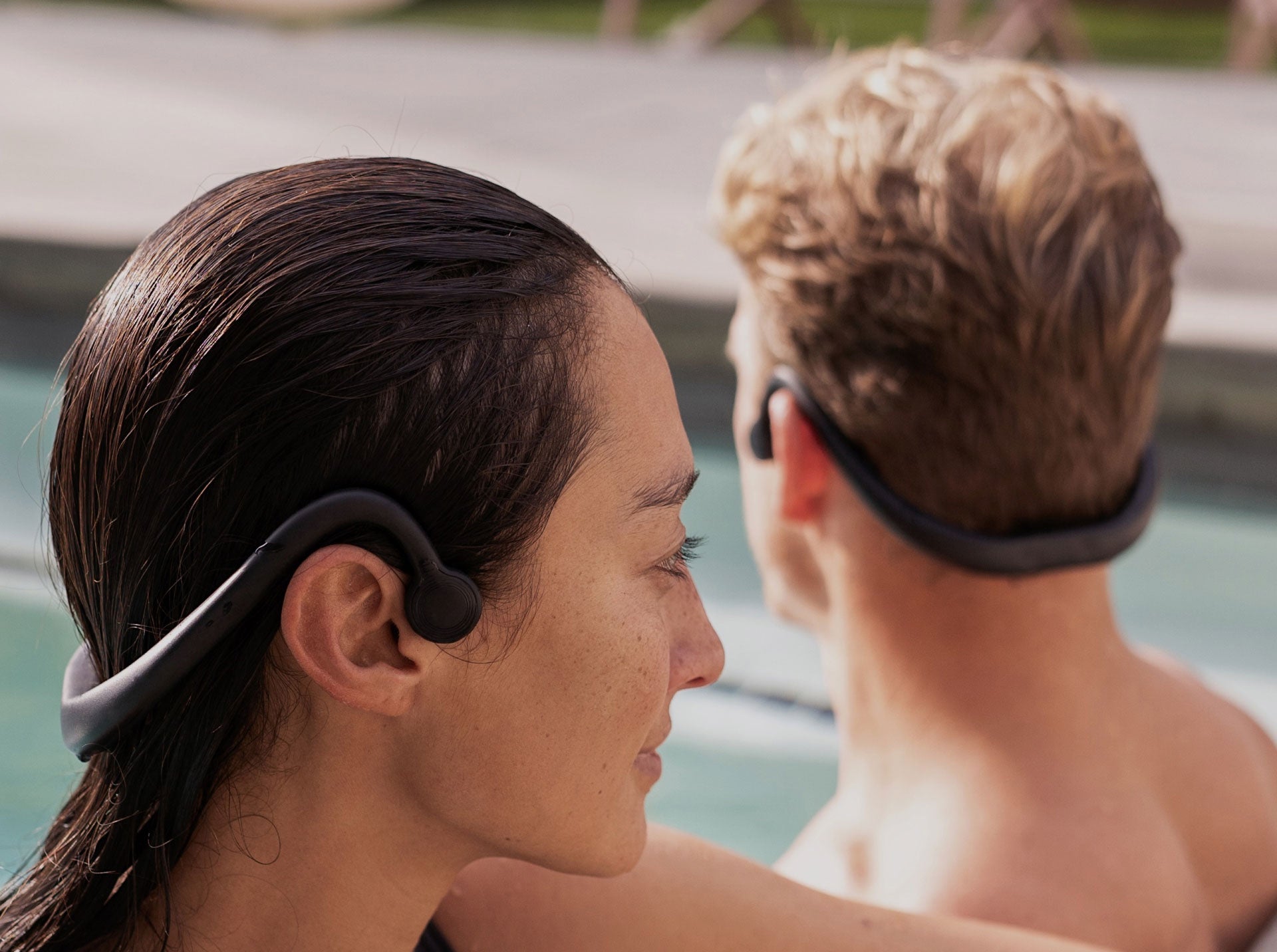

Swimming is one of the most effective, and sustainable, ways to lose weight. It’s low-impact, works the entire body, and can be adapted to nearly any fitness level. Most people genuinely enjoy being in the water, and there’s a real sense of accomplishment that comes with finishing a swim. The challenge isn’t getting started, it’s staying motivated week after week. And if you’ve ever lost weight before, you know consistency is what ultimately determines success.
That’s where Zygo fits in.
Zygo was built to address a common struggle swimmers face: maintaining focus and motivation in a quiet, repetitive environment. By combining underwater audio, music, and guided coaching, Zygo helps turn swim sessions into structured, engaging workouts. Instead of watching the clock or counting laps in your head, swimmers can follow cues, stay on pace, and remain mentally connected to their training.
This guide explores why swimming is such an effective tool for weight loss, how to structure a swim training program, and how audio coaching can help transform occasional pool visits into a consistent routine you can stick with long term.
Why Swimming Is an Effective Workout for Weight Loss
Swimming burns calories while putting minimal stress on joints, making it ideal for people who struggle with high-impact workouts. Water resistance forces your muscles to work in every direction, engaging your core, arms, legs, and back simultaneously. Unlike many forms of cardio, swimming can activate multiple muscle groups simultaneously, elevate heart rate without straining joints, and improve the relationship of endurance, strength, and mobility.
Because it’s easier to recover from, swimmers are often able to train more frequently, a major advantage when weight loss depends on long-term consistency rather than intensity alone.
How to Structure a Swimming Training Program for Weight Loss
A balanced swim program keeps workouts effective without feeling repetitive. Variety helps prevent burnout while targeting different fitness adaptations.
Warm-Up (5–10 Minutes): Gentle laps or kickboard drills.
Start with gentle laps or kickboard drills to raise your heart rate and loosen muscles. This sets the tone for a more productive session and reduces injury risk.
Interval Training: Alternate high-effort sprints with recovery laps.
Intervals increase calorie burn and improve cardiovascular fitness while keeping workouts engaging.
Endurance Sets: Longer, steady-paced swims to build stamina.
These sets help you stay in motion longer, which supports overall calorie expenditure.
Cool-Down: Slow laps or floating stretches.
Cooling down properly promotes recovery to help you return for your next session.

How Audio Coaching Enhances Swim Training
One of the hardest parts of swimming for weight loss is staying mentally engaged. Pools are quiet, repetitive environments, and without feedback, it’s easy to lose focus or cut workouts short.
Audio coaching changes that experience.
With Zygo’s app-based features, swimmers can follow guided workouts, structured intervals, and pace cues, all delivered clearly underwater. Instead of counting laps in your head or guessing when to push harder, coaching provides direction in real time.
Music also plays a role. Rhythm helps regulate breathing and stroke tempo, while familiar tracks make longer sessions feel shorter. Together, coaching and music turn swimming from a solitary grind into a guided training experience.
Sample Swimming Training Program for Weight Loss
A simple weekly structure can help build momentum without overtraining.
Day 1: Technique + Endurance (30–40 minutes)
Easy laps with a focus on form, breathing, and relaxed pacing.
Day 2: Intervals (25–30 minutes)
4 x 50-meter sprints with recovery laps in between. Short, challenging, and efficient.
Day 3: Active Recovery (20–25 minutes)
Light swimming or water jogging to promote movement without fatigue.
Day 4: Strength & Resistance (30–40 minutes)
Kickboard drills, pull-buoy sets, or resistance-focused laps to build muscle.
Using Zygo’s guided swim sessions adds structure and accountability, especially on days when motivation runs low.
Tracking Progress and Staying Consistent
Weight loss in swimming isn’t always visible week to week, which makes tracking progress important. Improvements may show up as longer continuous swims, faster intervals, or better recovery between sets. When workouts feel purposeful, progress is measurable, and training sessions are mentally engaging you’ll likely see consistency improve. Audio feedback and structured sessions reduce decision fatigue, making it easier to show up and complete each workout.

Why Zygo Makes Swim Training Easier to Stick With
Zygo removes many of the friction points that cause swimmers to fall off routine. Instead of silence or guesswork, swimmers get structure, motivation, and feedback in the water — where traditional audio solutions don’t work.
By supporting guided workouts, interval cues, and music underwater, Zygo helps transform swimming into a repeatable habit rather than an occasional workout.
Turn Every Swim Into a Consistent, Motivating Workout with Zygo
Weight loss requires consistent workouts for most. On days it’s hard to show up or for those who just don’t know where to start, Zygo’s guided workouts fosters consistency and progress follows naturally. With the right structure and audio support, every swim can move you closer to your goals.
FAQs
Is swimming good for weight loss?
Yes. Swimming can be a strong workout for weight loss because it burns calories, works the entire body, and is low-impact on the joints. It can be especially helpful for people who want a sustainable fitness routine they can stick with over time.
How often should I swim to lose weight?
For most beginners, swimming 2–4 times per week is a realistic place to start. Consistency matters more than doing one extremely difficult workout. A mix of endurance swims, interval training, and recovery sessions can help you build a routine that supports long-term progress.
What is the best swimming workout for weight loss?
The best swimming workout for weight loss combines warm-ups, interval training, steady endurance sets, and cool-downs. Intervals help increase intensity, while longer steady swims help build stamina and keep you moving for a longer period of time.
Can beginners use swimming for weight loss?
Yes. Swimming is beginner-friendly because it can be adjusted to different fitness levels. New swimmers can start with short sessions, gentle laps, kickboard drills, or water jogging before building toward longer, more structured swim workouts.
Why is swimming easier to stick with than other workouts?
Swimming is low-impact, refreshing, and adaptable, which can make it easier to repeat consistently. For people who struggle with running, high-impact cardio, or repetitive gym workouts, swimming can feel more enjoyable and easier on the body.
How does music help with swimming for weight loss?
Music can make swimming feel more motivating and less repetitive. A steady rhythm may help swimmers stay focused, maintain pace, and keep moving through longer workouts, which can support consistency during a weight loss routine.
How does audio coaching help swimmers stay consistent?
Audio coaching gives swimmers structure while they are in the water. Instead of guessing what to do next, swimmers can follow guided workouts, interval cues, pacing prompts, and coaching support that make each session feel more purposeful.
Can Zygo help with swim workouts for weight loss?
Yes. Zygo Z2 Waterproof Headphones can help swimmers listen to music, coaching, and guided workouts while swimming. This can make swim training feel more engaging, structured, and easier to stick with over time.
Do I need guided swim workouts to lose weight?
No, but guided swim workouts can make training easier to follow. They help remove guesswork by giving swimmers a clear plan, which can be helpful when building a consistent swimming routine for weight loss.
What should a weekly swimming program include?
A balanced weekly swimming program can include technique work, interval training, endurance swims, and active recovery. This variety helps prevent boredom, supports full-body conditioning, and gives swimmers different ways to keep progressing.