
While there may not be a “perfect” workout, we have to say that swimming comes pretty darn close! Swimming is a low impact, high reward activity that can be catered to all fitness levels and abilities, making it perfect for beginners and experienced swimmers alike.
This form of exercise, while great for almost everyone, can be a little intimidating when first starting. That’s why we’ve created this resource with information about what to expect when you first get out there in the open water, what you’ll need for equipment, and what you need to know about beginner swim workouts.
How to Start Swimming Workouts as a Beginner
Before jumping into a structured routine, it’s important to understand how beginner swim workouts are typically organized.
Most beginner swimming workouts include:
- A warm-up to get comfortable in the water
- A main set focused on technique or endurance
- A cooldown to lower your heart rate
Starting with shorter distances and gradually increasing your workload will help you build confidence without feeling overwhelmed.
What Are Some of the Benefits of a Swim Workout?
Swimming is not only a highly effective form of exercise, but it’s also fun and accessible to most people. Making swim workouts a regular part of your fitness routine can improve joint flexibility, enhance cardiovascular health, and build muscle strength.
While that may be fairly obvious, you may not know that swimming workouts can also reduce the risk of chronic illnesses, such as diabetes and heart disease, all while improving mental health! Did you know that swimming can actually have a significant effect on mood and anxiety symptoms?
A study done in 2022 confirmed what longtime swimmers already knew: relaxing aerobic exercise, such as swimming laps, can promote the greatest mood benefits of any type of exercise. The combination of low-impact, steady-state cardio and being immersed in temperate water is enough to give you a noteworthy boost in mood.
Having trouble sleeping? Swim workouts might just be the answer. Swimming can do it all, even right down to improving the quality and duration of your sleep. Who needs sleep aids when you can just go for a swim?

What Can You Expect at Your Local Swimming Pool?
One thing that tends to hold new swimmers back is fear of the unknown. Since the local swimming pool is a mystery to many, a lot of people simply choose more familiar workouts and never get a chance to experience all that swimming has to offer.
Here are a few things to expect when you show up to swim at the average pool. (Note: We know that every pool is different, but these are some general pool etiquette tips and tricks).
-
Familiarize yourself with the facilities: Don’t be shy to ask for a quick tour from the pool staff. Make sure you know how to enter the pool from the locker room, where to store your clothes, etc.
-
Shower first! It’s typically frowned upon to enter a shared pool space without at least taking a quick rinse, and some pools require a full shower with soap before entering the pool.
-
Pools are divided into lanes: Most pools will have buoyed ropes that designate lanes that swimmers should stay in while swimming laps.
-
Lanes have different speeds: Some lanes are designated for slow, leisurely swimming, while others are meant for more athletic, fast paced swimming.
-
Lanes can be shared: If it is busy in the pool, lane sharing is normal. Proper etiquette indicates that if you want to share lanes with someone, it is good to hang out on the ledge for a moment or two with your feet in the water so that they know someone will be joining them.
-
It’s okay to pass: If you are swimming faster than the person you’re sharing a lane with, it’s normal to pass them. The proper etiquette is to tap their foot as you are about to pass them so they aren’t startled. (This might be the only time in life when tapping a foot is considered the proper etiquette for anything).
-
It’s okay to rest: If you’re a beginner, you might need to take a break. We suggest exiting the pool if you need a quick breather or if you’re sharing a lane. Otherwise, posting up at the ledge on one end of the pool is acceptable.
What Are the Best Swimming Workouts for Beginners?
If you're new to the pool, these swimming workouts for beginners are designed to be simple, flexible, and effective. You can adjust distance, rest time, and intensity based on your comfort level.
When getting your feet wet in the world of swimming, it’s best to start simple. First of all, let’s go over some of the terminology you need to know to understand these workouts.
-
1x100: This indicates a set and the number of meters. If, for example, you are swimming in a pool in which one lap = 25 meters, then you would have to swim four laps to equal one set of 100 meters.
-
Pull: Pulling indicates that you only use your upper body to swim. Typically, pulling is done with a pull buoy (a float that goes in between your legs). If you don’t have one, it’s not necessary.
Common Types of Strokes
-
Freestyle: This is one of the most common and involves a flutter kick with your legs, the swimmer prone to the water, and reaching out with one arm at a time.
-
Breaststroke: In breaststroke, the legs swim using a frog-like pattern, while the pull of the arms is similar and happens simultaneously.
-
Butterfly: Considered one of the most difficult, this stroke requires the swimmer to do a dolphin kick and push water down and back with the arms simultaneously. The swimmer should execute two dolphin kicks for every arm stroke.
-
Backstroke: The swimmer faces upward, doing a flutter kick with the legs while sending the arms backward, one at a time, toward the water as they travel backward.
Now, let’s dive into five of the best swimming workouts for beginners.
Workout #1: Beginner Swim Workout (5-Minute Intervals)
This is a simple way to get started and vary your workout to keep yourself engaged. It involves five-minute intervals and incorporates rest anytime it’s needed.
Warmup:
- 100-meter freestyle swim
- 100-meter stroke of your choice
Main Set:
- Start with five minutes of lap swimming. You can take a break any time you need to, on either end of the pool, but try to limit rest to no more than 30 seconds.
- Once you complete your swimming laps, swim using a kickboard for five minutes. The same rest rules apply.
- Repeat three times for a great full-body workout.
Cooldown:
- Easy 100-meter swim
Note: When you’re first starting out, doing the interval set just one or two times is a fantastic way to adjust your body positioning to swimming. Likewise, when you are more experienced, you can challenge yourself to four or five sets of intervals.
Workout #2: Breathing-Focused Swim Workout for Beginners
You may be in phenomenal shape on dry land, but nothing can truly prepare you for the oxygen needs that swimming requires. The name of the game with this workout is breathing while working out all the muscle groups: your focus is on making an intentional exhale every time your face is in the water.
You should focus on breathing in through your mouth and out through your nose, unless you are wearing a nose plug. Try out this workout while focusing on your breathing technique.
Warmup:
- 100-meter freestyle swim
- 100-meter stroke of your choice
Main Set:
- 4x25 meter choice
- 100-meter pull
- 2x25 choice
- 100-meter pull
- 50-meter choice
- 100-meter pull
Cooldown:
- 4 x 25-second choice, focus on getting your heart rate down and slowing your breathing.
Workout #3: Interval Swim Training for Beginners
Swimmers are continuously using the pace clock to time laps, distances, etc. If you are a novice swimmer, you might not have a clue how long it takes you to swim 50 or 100 meters.
Here are a few key tips:
- Swimming 50 meters in an “interval” or “send-off time” of 1:30 means that you are giving yourself one minute and 30 seconds to swim that distance and rest before beginning the next interval.
- Thus, if you finish that distance in one minute, you will get a solid 30 seconds of rest time. Cherish those rest periods!
Try this interval workout:
Warmup:
- 4 x 25 meters choice
- 2 x 50 meters choice
Main Set:
- 4 x 50 meters choice on 1:15
- 20 x 50 meters choice on 1:30
Cooldown:
- 300 meters choice
Workout #4: Easy Swim Workout with Rest Sets
This little workout medley is designed to keep things simple while allowing you to engage in trying a few different strokes. Keep in mind that some strokes are more challenging than others, which is why there is no timed component to this workout. Go at your own pace!
Warmup:
- 100 meters slow swim
- 2 x 50 meters regular pace swim
Main Set:
- 4 x 50 meters freestyle with 15 seconds of rest in between each set
- 4 x 50 meters backstroke with 15 seconds of rest in between each set
- 4 x 50 meters breaststroke with 15 seconds of rest in between each set
Cool Down:
- 200 meters choice, at a relaxed pace
Workout #5: Full-Body Swim Workout Using All Strokes
We are especially partial to this last workout because it incorporates all four of the most popular strokes to help you work on your swimming technique, and streamline your swim training. No need to think about the number of meters, just laps, whatever that means to your particular stroke count and the length of the pool.
Warmup:
- 4 laps at an easy pace, choice
Main Set:
- 4 Laps of all four strokes at a moderate pace (one stroke per lap)
- 1 lap at a fast pace, any one of the four strokes
- 1 lap of the same stroke at an easy pace.
- Repeat for the three other strokes.
Cool Down:
- 2 laps at an easy pace, choice.
How Often Should Beginners Swim?
If you're just starting out, aim for 2–3 swim workouts per week. This gives your body time to adapt while helping you build consistency.
Beginner swimmers should focus on:
- Building endurance gradually
- Improving breathing technique
- Staying relaxed in the water
Consistency matters more than intensity when starting out.
Essential Equipment for Beginner Swim Workouts
Now that you have some solid workouts in mind, what do you need to get started? Swimming can be tricky since (Captain Obvious) you need a pool. However, once you’ve got that in place, the rest is minimal and up to you to some extent.
Potential equipment:
-
A quality swimsuit: It may seem obvious, but if your swim set is baggy or too tight, you won’t be able to swim your best.
-
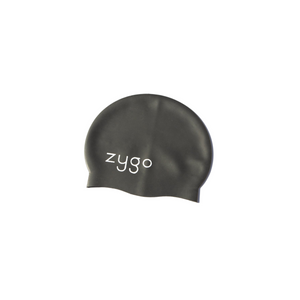
Swim Cap: Unless you’re totally bald, you may want to consider a swim cap. This not only keeps the pool clean but protects your hair. Some pools even require them.
-
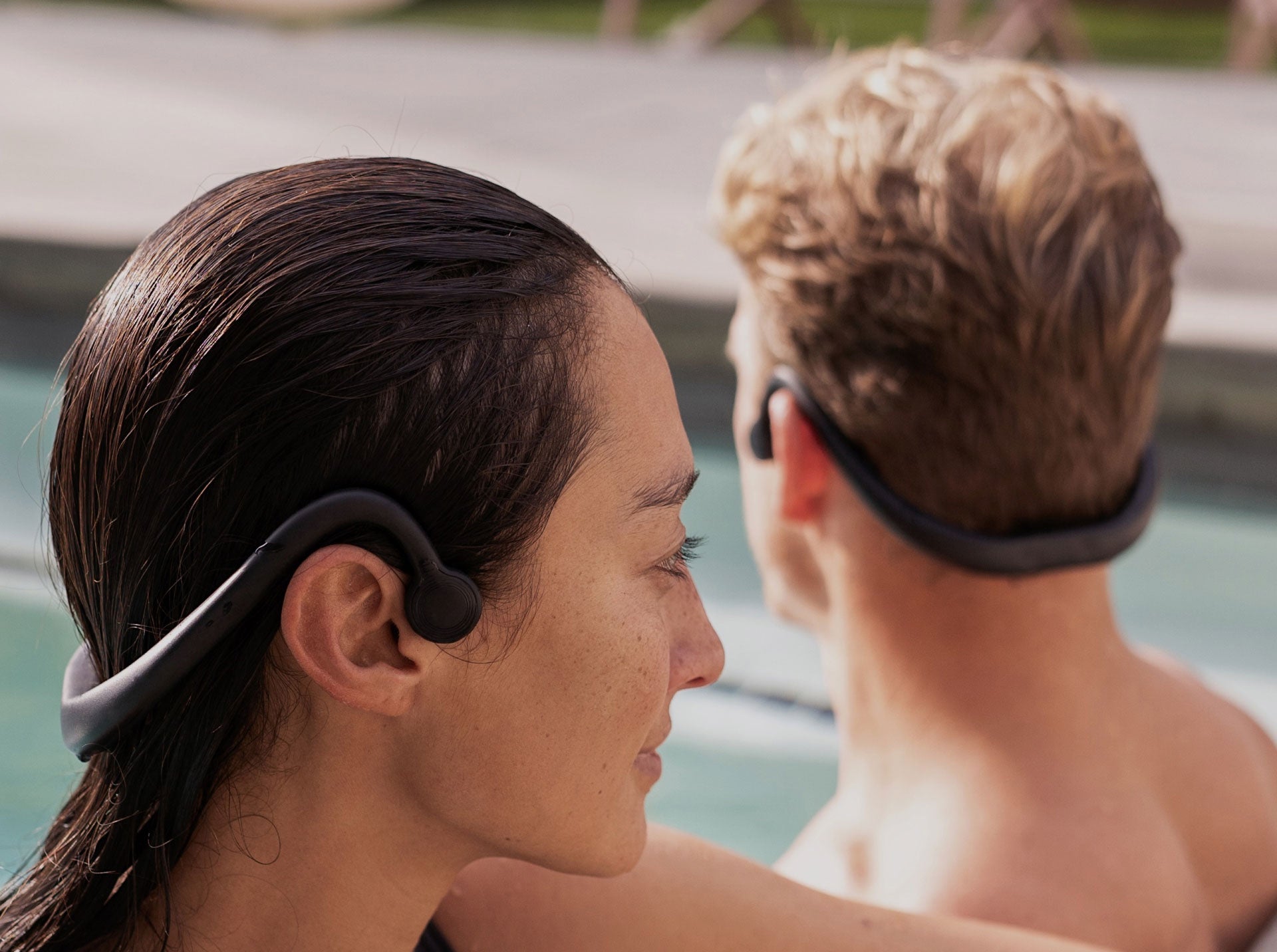
Underwater Headphones: Okay, so this isn’t required! But you’d be surprised at how much listening to your favorite playlist can improve your swimming experience.
-
Kickboard: Kickboards are inexpensive and really help you vary your workout routine.
-
Pull Buoy: We recommend pull buoys, if for no other reason than the fact that it makes upper body pull workouts possible.
-
Swim Goggles: You definitely will want a nice pair of streamlined goggles. Stick to the kind with small ovals that go over the eyes only. You don’t need a whole mask for lap swimming!
-
Swim Paddles: Adding paddles to your swim routine can help you focus on your technique and improve your strength and endurance.

Conclusion
Starting a new swim routine doesn’t have to be complicated. With these beginner swimming workouts, you can build confidence, improve your technique, and enjoy your time in the water.
The key is to stay consistent, focus on small improvements, and make each workout a little better than the last. Before long, you’ll feel stronger, more comfortable, and ready to take your swimming to the next level.
Frequently Asked Questions About Beginner Swimming Workouts
What is a good swimming workout for beginners?
A good beginner swimming workout includes a warm-up, short intervals, rest periods, and a cooldown. Simple routines like 25–100 meter sets help build endurance and confidence.
How long should a beginner swim workout be?
Most beginner swim workouts last between 20–40 minutes, depending on fitness level and comfort in the water.
How often should beginners do swim workouts?
Beginners should aim to swim 2–3 times per week to build endurance and improve technique over time.
Can swimming help you get in shape?
Yes. Swimming is a full-body workout that improves cardiovascular health, builds muscle, and supports weight loss while being low-impact.
Sources:
Best Swimming Workouts | US Masters Swimming for Beginners
How to Start Swimming for Exercise | Very Well Fit