
The Psychology of Rhythm: Why Swimmers Perform Better With Audio
Swimming is one of the most rhythmic forms of exercise. Every stroke, breath, kick, and turn follows a pattern. When that rhythm feels smooth, swimming can become almost meditative. But when the rhythm is off, even a short swim workout can feel harder than it should.
That is one reason audio can be such a powerful tool for swimmers. Music, coaching, tempo cues, and guided workouts can help swimmers stay focused, maintain a steady pace, and feel more connected to their time in the water. With the right underwater audio technology, swimming can become less repetitive and more mentally engaging.
Why Rhythm Matters in Swimming
Rhythm is central to efficient swimming. A swimmer’s body needs to coordinate breathing, arm movement, body rotation, kicking, and forward momentum. When these movements work together, each lap feels smoother and more controlled.
For many swimmers, the challenge is not just physical effort. It is maintaining consistency. A strong start can quickly fade if your breathing pattern changes, your stroke timing becomes uneven, or your mind starts to wander. Audio gives swimmers an external rhythm to follow, helping create a steadier sense of pace.
This is similar to how runners often use music to match their cadence. In the pool, audio can help swimmers settle into a repeatable pattern, especially during longer sets or endurance-focused swimming workouts.
How Music Helps Swimmers Stay Motivated
One of the biggest mental challenges in swimming is repetition. Unlike running or cycling, lap swimming often takes place in the same lane, with the same view, over and over again. That repetition can be calming, but it can also become boring.
Music helps break up that mental monotony. A strong beat can add energy to a workout, while a steady playlist can make longer swims feel more manageable. For swimmers who struggle to stay engaged, music for swimming can turn a quiet pool session into something more motivating.
Audio can also create positive association. If a swimmer looks forward to a favorite playlist, podcast, audiobook, or guided workout, they may be more likely to get in the pool and stay consistent. That consistency matters because improvement in swimming usually comes from regular, repeated practice over time.

Audio Can Support Better Pacing
Pacing is one of the hardest skills for swimmers to master. Many people start too fast, lose form, and then struggle to finish a set with the same control. Audio can help by giving swimmers a more stable timing cue.
A song with a steady beat can encourage a more consistent stroke rhythm. Guided workouts can also help swimmers understand when to push, recover, or settle into a sustainable pace. This is especially useful for interval training, endurance work, and longer lap sessions where focus can fade.
For swimmers trying to improve performance, audio does not replace technique or conditioning. But it can support both by helping the swimmer stay mentally locked in. When your mind has a rhythm to follow, your body may find it easier to stay organized.
The Mental Side of Swim Performance
Swimming performance is not only about strength, speed, or endurance. It is also about focus. A swimmer who feels distracted, bored, or mentally fatigued may struggle to maintain form, even if they are physically capable of finishing the workout.
Audio can help swimmers manage that mental load. Music may provide energy. Podcasts can make long swims feel shorter. Guided coaching can add structure. Tempo cues can give swimmers a specific rhythm to follow. Each type of audio supports the same broader goal: making the swim feel more intentional.
This is where guided swim workouts can be especially helpful. Instead of guessing what to do next, swimmers can follow audio-based structure in the water. That structure can help reduce decision fatigue and keep the workout moving.
Why Underwater Audio Requires Different Technology
Listening to audio while swimming is not as simple as wearing regular headphones. Bluetooth does not travel well through water, which is why many traditional swim headphones rely on MP3 storage. That means swimmers often have to download files before getting in the pool.
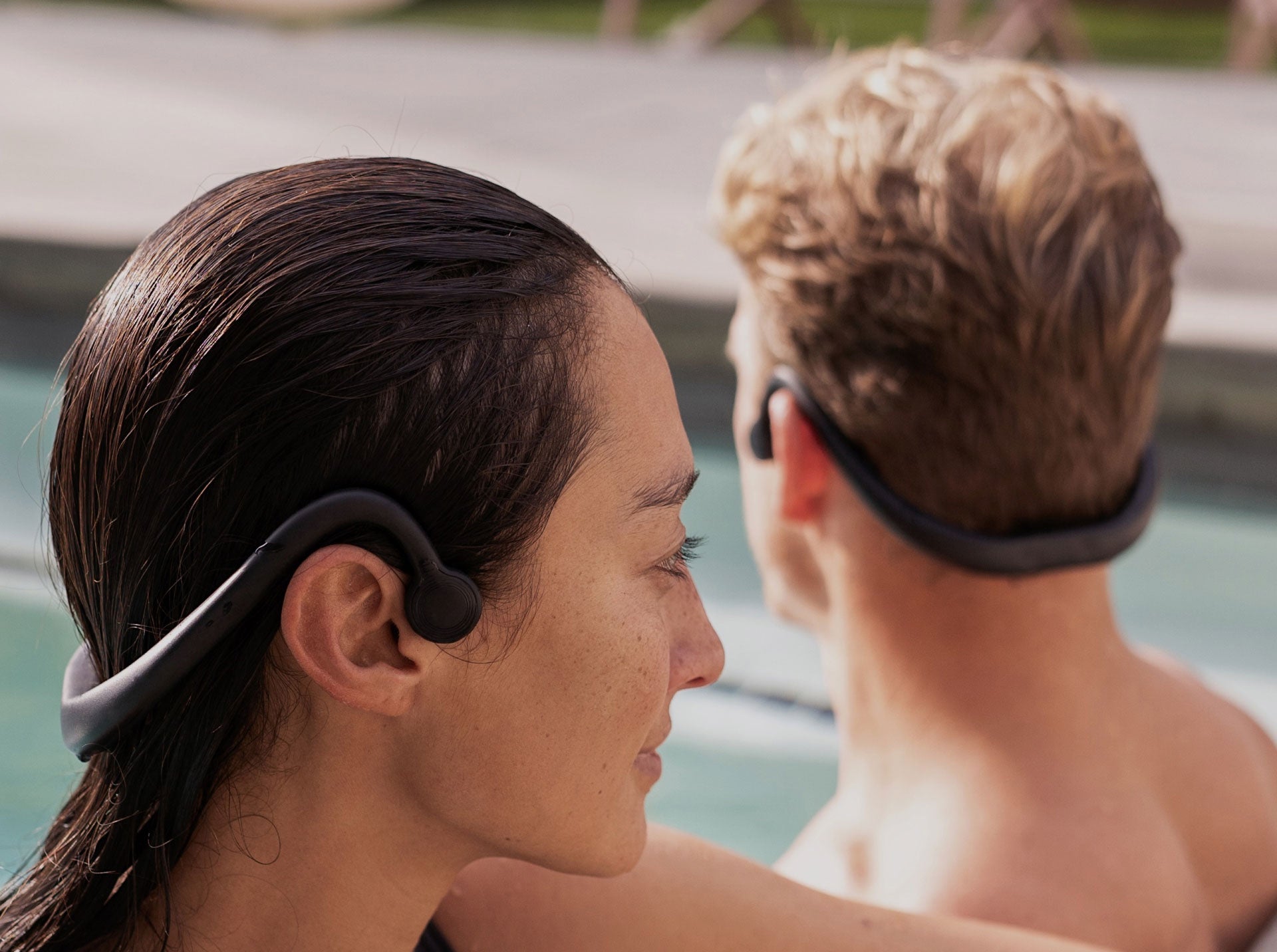
Zygo was built to solve that problem. With waterproof swimming headphones designed for live underwater audio, swimmers can listen to music, podcasts, audiobooks, coaching, and workouts while they swim. Instead of being limited to preloaded MP3s, swimmers can enjoy a more connected audio experience in the water.
For anyone who wants to better understand the limitations of Bluetooth in the pool, Zygo’s guide on why Bluetooth does not work underwater explains the challenge in more detail.
Making Every Lap Feel More Engaging
The psychology of rhythm matters because swimming is both physical and mental. A steady rhythm can help swimmers feel more efficient. A strong playlist can make a workout feel more exciting. A guided session can provide structure. A podcast or audiobook can make longer swims feel less repetitive.
For some swimmers, audio helps with motivation. For others, it supports pacing, focus, or consistency. Either way, the right sound can change how a swimmer experiences the pool.
Swimming will always require effort, practice, and patience. But with the right rhythm, every lap can feel more purposeful. And with Zygo, swimmers can bring music, coaching, podcasts, and live underwater audio into the water, making each workout more focused, more engaging, and easier to return to again and again.