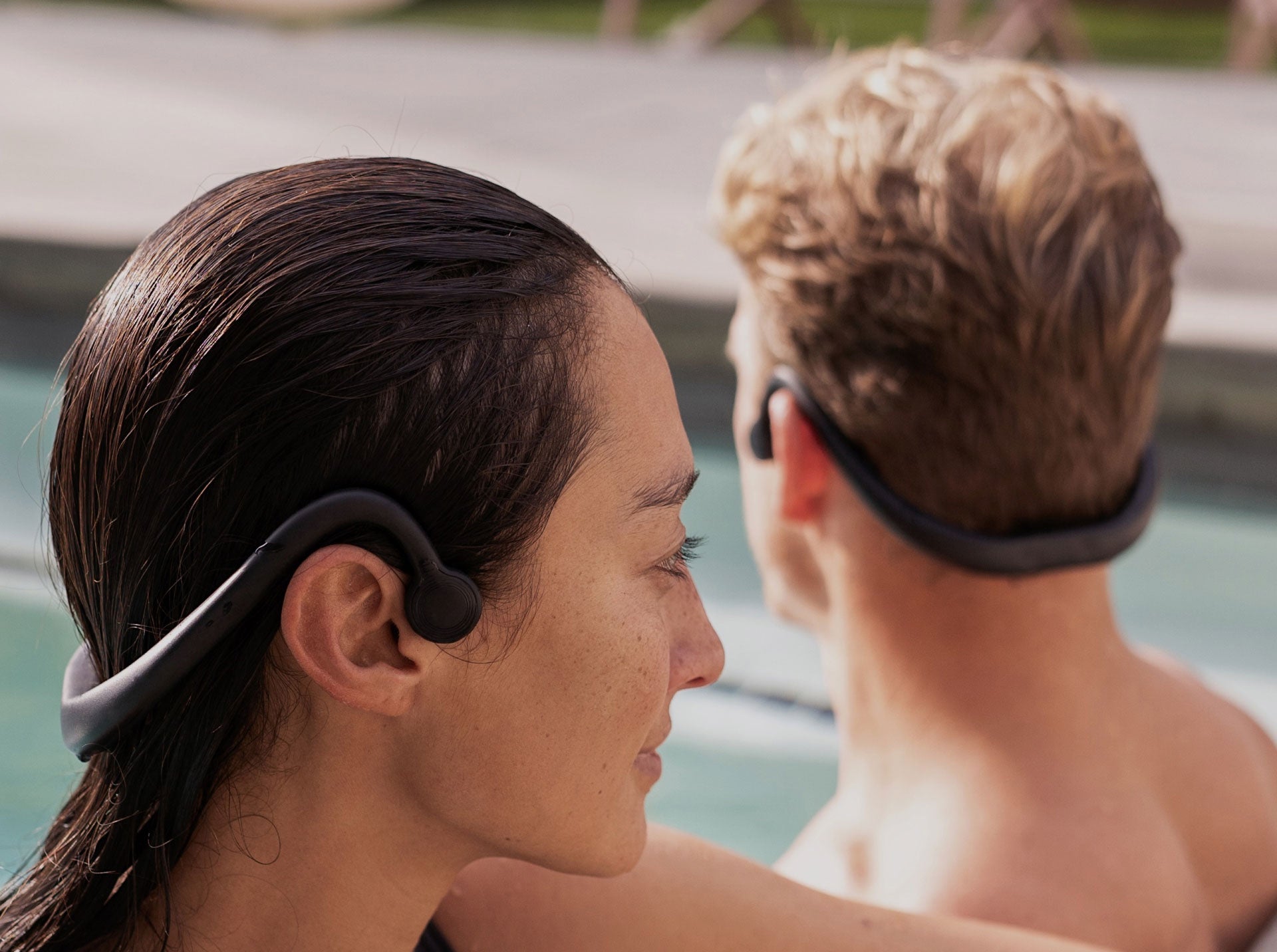

Almost everyone who swims regularly says the same thing: they get out of the water calmer than they got in. The to-do list quiets down, the tension in the shoulders eases, and problems that felt urgent an hour ago feel manageable again.
That experience is real, and research increasingly backs it up. But "I feel less stressed" is hard to hold onto when a busy week tempts you to skip the pool. So this is worth understanding on two levels: why swimming is so effective at lowering stress, and how you can actually see the effect in your own body instead of just taking it on faith.

Why Swimming Is Uniquely Good for Stress
Plenty of exercise reduces stress. Swimming stacks several calming mechanisms that most workouts don't have all at once.
The first is rhythmic breathing. Swimming forces a steady, controlled breath pattern, inhale, exhale, stroke, turn, that closely resembles the paced breathing used in meditation and anxiety management. You can't swim well while breathing frantically, so the stroke itself pulls you toward the kind of breathing that calms the nervous system.
The second is repetitive, bilateral movement. The smooth, symmetrical, side-to-side rhythm of freestyle is almost hypnotic, and that kind of repetition is associated with a meditative, absorbed state that's hard to reach on a crowded gym floor.
The third is water immersion itself. Researchers have described a "blue mind" effect, the calm, mildly meditative state many people slip into in and around water. Being submerged removes most external noise and stimulation, which gives an overstimulated nervous system a rare break.
Put together, paced breathing, hypnotic rhythm, immersion, and a rare screen-free stretch of flow, and you have close to an ideal environment for winding down.
What's Happening in Your Body: Swimming and Cortisol
Cortisol is the body's primary stress hormone. It follows a natural daily rhythm: higher in the morning to get you going, tapering off through the day. In the right amounts, it's essential. The problem is chronic stress, which can keep cortisol elevated and leave you feeling wired, tired, and unable to switch off.
This is where regular exercise helps. Moderate aerobic activity is associated with healthier stress-hormone regulation over time and with lower day-to-day perceived stress. Swimming adds its calming immersion and breathing effects on top of that aerobic base, which is part of why it feels so restorative.
One honest caveat: although every body is different, very intense training is itself a physical stressor and can raise cortisol acutely in the moment. The stress-lowering benefit comes mostly from consistent, moderate swimming over weeks, the easy and steady sessions, not the lung-busting ones. The calm you're chasing is a long-game adaptation, not something a single brutal set delivers.
Swim Training Consistency Matters More Than Intensity
Consistency is everything. The stress relief comes from a regular habit, not from the occasional swim when you finally have a calm week (which, ironically, is exactly when you need it least). And the number one reason people skip? Boredom. Swimming can feel monotonous, a quiet, repetitive hour staring at a black line, and when a workout feels like a chore, the stressed, busy version of you finds a reason to bail.
That's the trap: the tool that lowers your stress only helps if you use it consistently, and monotony is what breaks the consistency.
The fix is making the time in the water something you actually look forward to. Being able to stream calming music, a podcast, or a guided session while you swim turns a silent slog into the best part of the day, and swimmers who enjoy their laps are the ones who keep showing up. (That's Zygo's entire reason for being; if you're curious how audio affects the swim itself, see our piece on why music improves swim endurance.)

How to Measure Your Stress Response (You Don't Have to Guess)
Here's the part almost nobody does: most people assume swimming is helping their stress but never actually see it. The feeling is subjective, easy to second-guess, and hard to hold onto on a hard week.
You can do better than guessing. At-home cortisol tracking lets you monitor your own patterns rather than relying on how you think you feel. Using something like an at-home cortisol test like Eli Health's, you can check in on your cortisol over a few weeks of a consistent swim habit and look for the trend, how your levels sit, and how they respond as swimming becomes routine.
To be clear about what this is: it's a wellness tool for seeing your own patterns over time, not a medical diagnostic. But that visibility is genuinely motivating. When you can see your stress markers responding to a habit you've built, showing up to the pool stops being a vague "this is probably good for me" and becomes something you have real feedback on.
Building a Swim Habit That Actually Lowers Stress
A few practical adjustments make swimming a far more effective stress tool:
Aim for frequency over intensity. Three moderate swims a week will do more for your stress than one exhausting session. Easy and consistent beats hard and sporadic.
Make each swim something you look forward to. One of the biggest reasons people fall out of a swim routine is boredom. Listening to your favorite music, podcasts, audiobooks, or guided coaching with Zygo's underwater audio system can make every session more enjoyable, helping you stay consistent enough to experience the long-term stress-management benefits of swimming.
Try swimming in the evening. An evening swim can act as a wind-down that separates the workday from the rest of your night, helping you downshift before bed.
Match your audio to the goal. If stress relief is the point, reach for calmer music, an absorbing podcast, or a guided meditation rather than high-BPM workout playlists. If you swim with a Zygo Z2 headset, choosing audio that matches your mood can help turn each workout into a calming, restorative experience instead of just another training session.
Keep the bar low. On a stressful day, even twenty easy minutes count. The goal is to protect the habit, not to hit a personal best.
Make Swimming a Habit You Keep
Stress relief isn't about finding one perfect workout—it's about building a routine you'll actually maintain. Swimming combines rhythmic movement, controlled breathing, and time away from everyday distractions in a way many people find restorative. Tracking your wellness patterns over time with tools like Eli Health can provide additional insight into how healthy habits may be supporting your overall well-being, while Zygo helps make swimming something you genuinely look forward to with music, podcasts, audiobooks, and guided coaching streamed live underwater. When swimming becomes a habit instead of a chore, you're more likely to experience the long-term mental and physical benefits that come with consistent time in the pool.
Frequently Asked Questions About Swimming for Stress Relief
Does swimming reduce stress?
Research suggests that swimming can help reduce feelings of stress for many people. The combination of rhythmic breathing, repetitive movement, full-body exercise, and time away from daily distractions creates an environment that many swimmers find calming. While everyone's experience is different, swimming is associated with improved mood and overall well-being when practiced consistently. For many people, staying consistent is the biggest challenge, which is why tools like Zygo that let you listen to music, podcasts, audiobooks, or guided coaching during your swim can make it easier to keep swimming part of your weekly routine.
Is swimming good for anxiety?
Swimming may help support mental well-being and reduce everyday stress, which some people find beneficial when managing anxiety. The steady breathing, repetitive strokes, and immersive nature of being in the water can promote relaxation for many swimmers. However, swimming is not a treatment for anxiety disorders or other mental health conditions. If you're experiencing persistent anxiety, it's important to speak with a qualified healthcare professional.
How often should you swim for stress relief?
There's no single schedule that works for everyone, but many people experience the greatest benefits by swimming two to four times per week. Even shorter sessions of 20 to 45 minutes can contribute to improved mood and reduced stress when done regularly. Consistency is generally more important than swimming long distances occasionally. If listening to your favorite playlist, podcast, or audiobook helps you look forward to your workouts, using an underwater audio system like Zygo can help make that consistency easier to maintain.
Can swimming lower cortisol?
Research suggests that regular aerobic exercise, including swimming, may help support healthy cortisol regulation over time. Cortisol is a hormone involved in the body's natural stress response, and healthy levels fluctuate throughout the day. Rather than dramatically lowering cortisol after a single swim, consistent physical activity may help support a healthier stress response over the long term.
Can you measure cortisol at home?
Yes, at-home cortisol testing is available through certain wellness companies. These tests are designed to help you track your own cortisol patterns over time rather than diagnose a medical condition. If you're interested in understanding how lifestyle habits like regular swimming may relate to your personal wellness trends, an at-home cortisol test, such as those offered by Eli Health, may provide additional insights. Always follow the manufacturer's instructions and consult a healthcare professional if you have concerns about your health or test results.
Is swimming better than running for stress?
Both swimming and running can be effective ways to manage stress, and the best choice often comes down to personal preference and consistency. Swimming offers the added benefits of low-impact movement, full-body exercise, and water immersion, which many people find especially calming. Running may provide similar mood-boosting effects through aerobic exercise. If you enjoy listening to music or podcasts while exercising, Zygo brings that same motivation to the pool, helping make swimming a workout you look forward to—and one you're more likely to stick with over time.