
For decades, swimming technology was simple, reliable, and mostly analog. Swimmers watched the pace clock, counted laps in their heads, listened for coaches from the deck, and learned to judge effort by feel. The pool was one of the few places where training remained largely disconnected from screens, apps, headphones, and real-time feedback.
That simplicity is part of what makes swimming special. Once you push off the wall, the world gets quieter. But it also means swimmers have historically trained with less guidance than runners, cyclists, and gym athletes. While other sports adopted GPS watches, music, performance tracking, and connected coaching, swimming stayed behind the curve.
Now, that is changing. Modern swimming technology is bringing structure, motivation, pacing support, and audio coaching into the water. From pace clocks to underwater audio technology, the evolution of swim training is making pool workouts more connected without taking away the rhythm that swimmers love.

How Swim Training Started with the Pace Clock
The pace clock has long been one of the most important tools in swim training. It gives swimmers a way to track intervals, manage rest, and build awareness around speed and effort. For competitive swimmers, learning how to use the pace clock is almost a rite of passage.
But pace clocks have limits. They only help when swimmers are at the wall or close enough to check the time. During the actual swim, athletes still rely on feel, memory, and discipline. If pacing falls apart mid-set, the swimmer may not realize it until the interval is over.
That makes swim pacing one of the hardest skills to develop. Start too fast, and the back half of a workout becomes a struggle. Swim too casually, and the session may not create the training effect you want. Pace clocks help, but they cannot guide swimmers stroke by stroke.
The Rise of Lap Counters and Swim Watches
As wearable technology grew, swimmers gained new tools for measuring workouts. Swim watches and lap counters helped athletes track distance, pace, stroke count, calories, and workout history. This was a major step forward because swimmers no longer had to rely entirely on memory.
For many swimmers, post-workout data made training feel more measurable. You could finish a session and review how far you swam, how consistent your splits were, and whether your stroke count changed as fatigue set in.
Still, much of this information came after the workout. That makes it useful for reflection, but less useful for in-the-moment adjustments. If your form breaks down during lap 20, seeing that data later may help you plan better next time, but it does not help you correct the issue while it is happening.
That gap created the next opportunity in swim training technology: real-time guidance.
Why Swimming Has Been Hard to Modernize
Swimming is difficult to digitize because water creates problems that land-based sports do not have. Screens are hard to see. Touch controls are awkward with wet hands. Stopping to check a device interrupts technique. Most importantly, Bluetooth does not work well underwater, making traditional wireless audio unreliable in the pool.
For years, that meant swimmers had fewer options. Many waterproof headphones relied on MP3 storage, which required downloading files before swimming. Coaching still happened mostly from the pool deck. Workout structure often came from a written set on a board or a memorized plan.
Swimming needed technology that worked with the water instead of fighting it.

Audio Coaching Changes the Swim Experience
Audio coaching is one of the biggest shifts in modern swim technology because it gives swimmers guidance without requiring them to look at a screen. Instead of stopping at the wall to check the next set, swimmers can hear instructions, pacing cues, reminders, and motivation while they are in motion.
That matters because swimming is built on rhythm. Breathing, kicking, body rotation, stroke timing, and turns all need to work together. Audio cues can help swimmers maintain focus, protect technique, and stay more consistent during longer or more difficult sets.
For swimmers working on swim pacing, audio coaching can provide reminders about when to push, when to recover, and when to settle into a sustainable rhythm. This makes the workout feel more intentional and less like guesswork.
Guided Swim Workouts Make Training More Structured
One of the most common challenges for swimmers is knowing what to do once they get in the pool. Without a plan, it is easy to swim a few laps, rest, repeat the same routine, and eventually lose motivation.
Guided swim workouts help solve that problem by turning a swim into a structured session. A guided workout can include a warm-up, drills, intervals, endurance sets, speed work, and cooldowns. Instead of memorizing everything beforehand, swimmers can follow along while they train.
This is valuable for beginners who want more confidence, fitness swimmers who want variety, and experienced swimmers who want purposeful training. It also helps make swimming workouts feel more engaging, especially when the pool starts to feel repetitive.
Music, Motivation, and Underwater Audio
Swimming can be peaceful, but it can also feel isolated. For some swimmers, that quiet is the best part. For others, it becomes the reason they struggle to stay consistent.
That is where music for swimming, podcasts, audiobooks, and coaching audio can make a major difference. Audio gives swimmers something to follow, focus on, and enjoy during longer sets. It can support rhythm, improve motivation, and make time in the pool feel more connected.
Modern swim technology is not just about data. It is about making swimming easier to stick with. When swimmers look forward to the audio experience, they are more likely to get in the water and complete the workout.
Where Zygo Fits Into the Evolution of Swim Technology
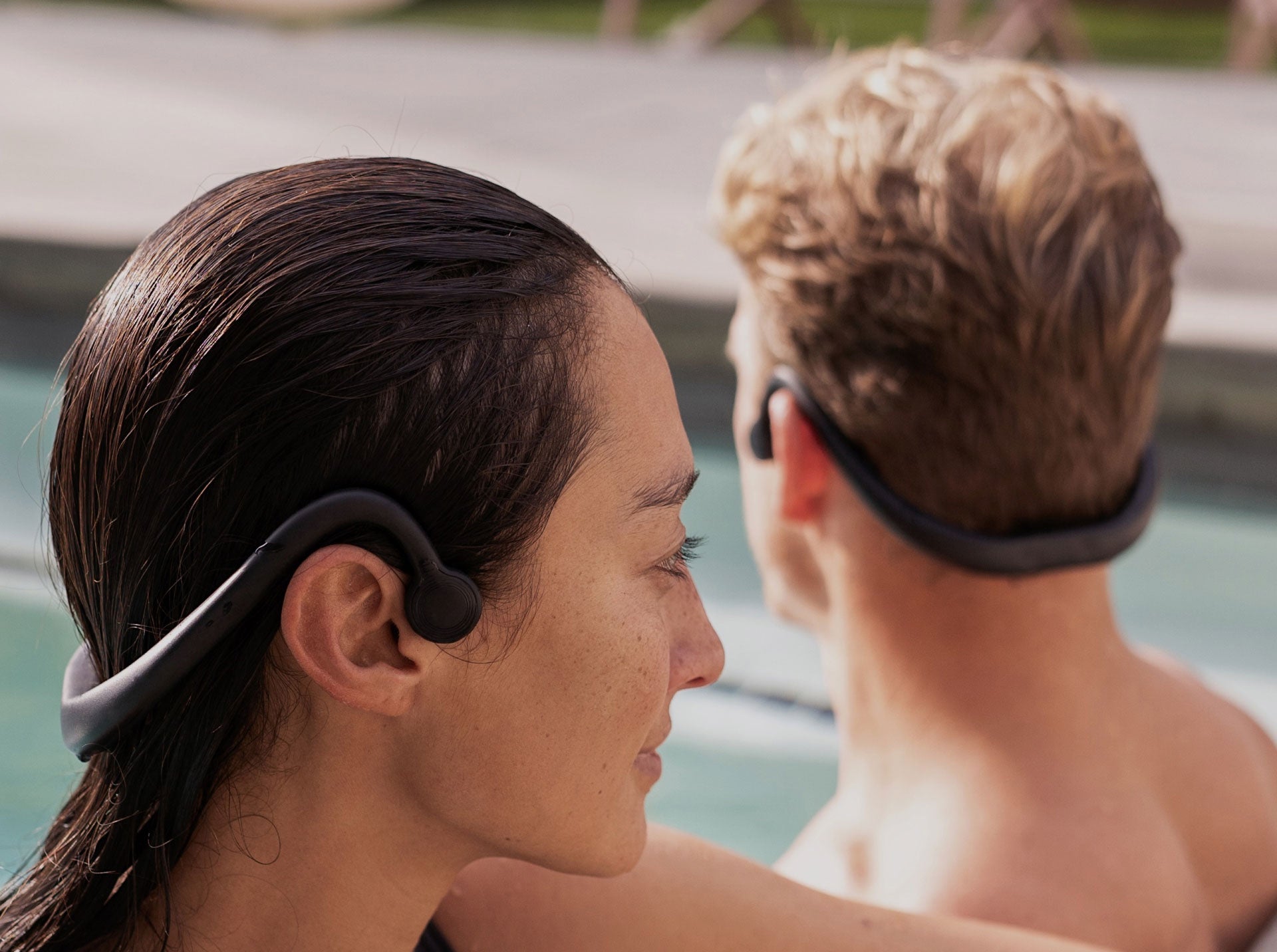
Zygo was built for this next era of swim training. With Zygo Z2 Waterproof Headphones, swimmers can stream audio from their phone while swimming, including music, podcasts, audiobooks, coaching, and guided workouts.
Instead of relying on standard Bluetooth underwater, Zygo uses a transmitter-based system designed for the pool. This helps swimmers stay connected to audio while they swim, making it possible to bring real-time sound into a sport that has traditionally been silent.
Zygo also supports the broader future of connected swim training through features like guided workouts, coaching support, and lap counting and tempo training. For individual swimmers, that means more structure and motivation. For swim coaches, it opens the door to clearer communication and more effective in-water guidance.
The Future of Swimming Technology
The evolution of swimming technology is not about replacing the feel of the water. It is about supporting it. Pace clocks, lap counters, swim watches, guided workouts, and audio coaching all serve the same purpose: helping swimmers train with more intention.
The future of swim training will likely be less about screens and more about seamless feedback. Swimmers do not need more distractions in the water. They need tools that fit naturally into the rhythm of the workout.
From pace clocks to audio coaching, swimming technology has come a long way. And as underwater audio continues to improve, swimmers can train with more focus, better pacing, stronger motivation, and a clearer sense of purpose every time they push off the wall.